What Does Face Up Size Mean for Diamonds?
If you’ve ever browsed engagement rings or studied diamond specs at Hatton Garden Jewellers, you’ve probably encountered the term face up size. But what does it actually mean? Why is face up size such an important factor to understand when choosing a diamond? And how does it relate to other key diamond attributes like carat, cut, and shape?
Whether you’re a first-time buyer or a seasoned gem enthusiast, this comprehensive guide will help you unlock the diamond polish and symmetry mystery behind diamond face up size and make smarter buying decisions. We’ll also highlight trusted tools like the GIA diamond quality factor pages and laboratory report number databases to verify authenticity—something I always ask for before discussing price. Let's dive in!
Understanding Diamond Face Up Size: The Basics
Face up size refers to how large a diamond appears when viewed directly from above, the face of the stone that you see set into a ring. It's the visible surface area that gives you an immediate feel for the diamond’s presence on your finger, regardless of other characteristics.
Face up size is typically measured in millimeters (mm) across the length and width of the diamond’s table facet, which is the large, flat top surface. diamond appraisal for insurance These diamond measurements mm are critical because they help you gauge the diamond’s apparent size beyond just the carat weight.
Face Up Size vs Carat: Why They Don’t Always Match
A common misconception is that the carat vs size of a diamond are the same—that a 1 carat diamond always looks the same as another 1 carat diamond. This is far from true. Carat is simply a measure of a diamond’s weight, not its size. Because of differences in cut depth, proportions, and shape, two diamonds with identical carats can look very different in terms of face up size.
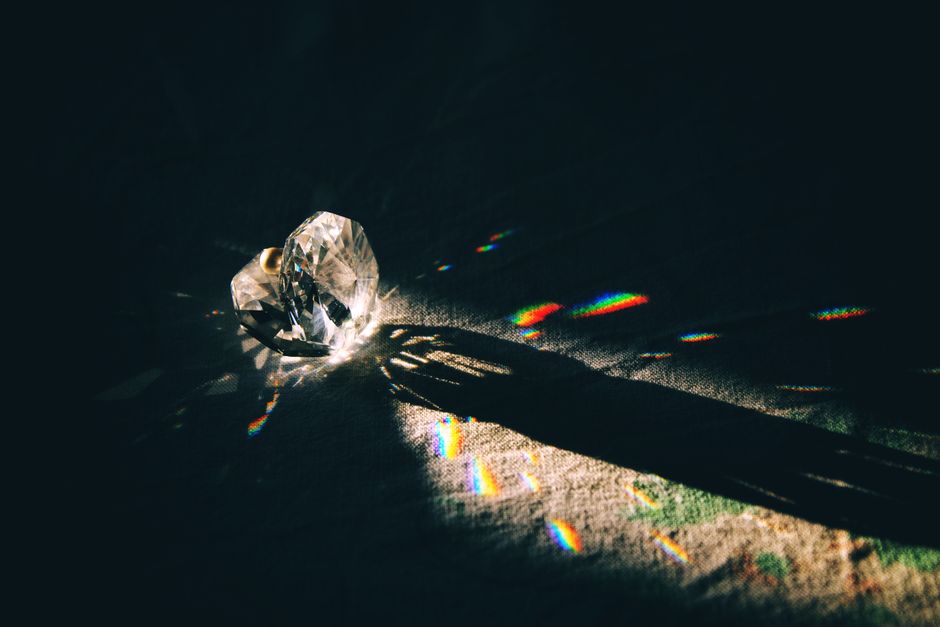
When the market talks about a diamond’s beauty, the face up size combined with brilliance and sparkle often matter more than carat alone. In fact, the cut quality—how well a diamond’s angles, proportions, and facets have been engineered—directly affects this visible size and how much light the stone reflects.
The Four Cs Trade-Offs: Why Cut Drives Sparkle and Size
The diamond industry famously uses the Four Cs—Carat, Cut, Colour, and Clarity—to assess value. While carat might influence the price tag most obviously, cut is arguably the most critical factor for both sparkle and face up size.
- Cut: Determines the diamond’s proportions and symmetry. A well-cut diamond will appear larger face up because it reflects more light efficiently.
- Carat: Refers to weight; two diamonds can weigh the same but have a different spread or size.
- Colour & Clarity: Affect beauty but less influence on size perception.
A diamond that is cut too deep might have “wasted” weight hidden beneath the table, reducing its surface diameter and face up size. Conversely, a diamond cut too shallow might show a larger face up size but suffer in brilliance. Quality labs such as the Gemological Institute of America (GIA) provide precise grading for cut, helping buyers find stones with the best balance of face up size and sparkle.
Cut Grade and the Face Up Size Dilemma
Cut Grade Effect on Face Up Size Effect on Sparkle Excellent Optimal size with perfect proportions Maximum brilliance and fire Very Good Almost ideal face up size Very good sparkle Good May sacrifice some sparkle for size Reasonable but less vibrant Fair/Poor Size may appear larger but looks dull Poor light performanceGrading Reports: Why Verifying Authenticity Matters
Whenever you’re shopping for a diamond, especially from reputed sources like Hatton Garden Jewellers, it’s crucial to review the laboratory grading report carefully. These reports provide objective assessments of the Four Cs and confirm the diamond’s characteristics.

The laboratory report number is your diamond’s ID and should always be verified through official databases. For example, the GIA report check lets you enter the report number to ensure that the document matches the actual stone. This step prevents costly mistakes or fraudulent purchases.
One personal pet peeve: I always ask the jeweller or appraiser for the report number before discussing price. Vague wording like “certified” without a named lab or report is a big red flag and usually means you should pause and verify.
Diamond Shape and Perceived Face Up Size
The shape of a diamond plays a surprisingly strong role in how large it looks face up. Some shapes spread the carat weight more efficiently across the surface, enhancing apparent size.
- Round Brilliant: The most popular and traditionally brilliant shape. However, round diamonds lose some weight to depth and pavilion, so a 1 carat round can look smaller than a fancy shape.
- Oval: Tends to have a larger face up size than a round diamond with the same carat due to its elongated shape.
- Pear: Offers an elegant teardrop shape. The tapered end produces a slimming effect, making it look longer and often bigger.
- Marquise: With its pointed ends and length, this shape tends to maximize surface area for carat weight, creating a larger face up size.
So, if you want a diamond that looks bigger without increasing carat weight (and price), considering shapes like oval, pear, or marquise could be smart choices.
Measuring Diamond Dimensions in Millimetres (mm)
Every diamond has specific measurements—length, width, and depth—usually given in millimetres. These diamond measurements mm reflect the face up size and depth proportion, which help indicate how large it will appear on the finger and how well it will sparkle.
For example:
Shape Approximate MM for 1 Carat Face Up Size Notes Round Brilliant 6.4 mm diameter Standard size; beware of deep cuts reducing visible spread Oval 7.7 mm x 5.5 mm Appears larger face up than round Pear 8.3 mm x 5.0 mm Elongated shape increases face up size perception Marquise 10.0 mm x 5.0 mm Maximizes length and face up sizeWhy Face Up Size Matters More Than Just Carat
When comparing diamonds, focusing solely on carat weight can be misleading. Especially in the age of mobile apps like MRQ mobile casino which allow quick betting and impulse decisions, diamond buyers should take a moment to pause and think carefully. Using trusted grading reports and tools, confirm the face up size and true measurements.
- Face up size influences perceived value and how striking a ring looks on your hand.
- Higher carat weight without proportionate face up size might mean a deeper cut with less sparkle.
- Understanding face up size helps in budget optimisation by choosing shapes and cuts that maximize visible size.
Checklist for Evaluating Diamond Face Up Size
- Ask for the laboratory report number and verify it via official databases (GIA or others).
- Review the GIA diamond quality factor pages for cut grade and measurements.
- Compare diamond measurements in millimetres, not just carat weight.
- Consider shapes known to maximize face up size if larger appearance is desired.
- Beware of diamonds cut too deep or too shallow with distorted proportions.
- Request multiple images or videos to see the diamond face up from different angles.
Conclusion: Making Smarter Diamond Purchases
Understanding the meaning and impact of face up size diamond is essential for anyone in the market for a diamond ring. The visible size can vary greatly depending on cut, shape, and proportions—factors that carat alone cannot reveal.
Always demand detailed, verified grading reports—preferably from laboratories like GIA—and use those diamond measurements mm to compare true size. By focusing on cut quality and shape, you can find a diamond that sparkles brilliantly and looks larger for your budget.
Next time you visit Hatton Garden Jewellers or browse online, keep these insights in mind. Remember, a diamond's face up size is more than just a number—it’s the first impression of its beauty and presence.