Snacks for Board Game Night That Do Not Wreck Cards
After ten years of hosting game nights, Thanksgiving-week gatherings, and Super Bowl watch parties, I’ve learned that a good snack can make the evening—and a greasy handful of chips can leave a lasting impression on your cards. The goal isn’t to serve food that feels like a compromise. It’s to offer satisfying, easy-to-eat snacks with less greasy food, fewer crumbs, and less finger residue near the game.
My other rule is simple: keep the evening in one https://beerconnoisseur.com/host-holiday-game-night-without-taking-over-house/ room. That protects the rest of the house, makes it easier to keep drinks in their assigned spots, and means nobody is carrying a loaded plate through the hallway while trying to remember whose turn it is. Put out a few well-chosen snacks, set up a sensible beer station, and choose games that fit your group and your schedule. The result is a relaxed night—and a deck that doesn’t feel like it’s been through a fryer.. Pretty simple.
Set Up the Room Before the First Beer
I always set a hard stop time before the first beer is opened. It helps me choose games that fit the evening, and it gives guests a clear sense of when we’ll wrap up. I also decide early which room we’re using. One-room hosting is one of the easiest ways to protect the house: guests aren’t roaming around with open drinks, snacks stay near the table, and the rest of the home remains out of the party’s traffic pattern.
Before people arrive, I label the snack and supply bins with painter’s tape. It’s practical, it peels off cleanly, and it saves me from answering “Where are the napkins?” while I’m explaining a game. I keep a stack of coasters like they’re part of the place settings, because they are. Put coasters at every seat, not just in a stack in the middle of the table. A coaster within easy reach is much more useful than one someone has to ask for.
For beer and other cold drinks, a cooler by the back door can keep refills away from the game table. Guests can step over to grab a drink without opening the refrigerator every few minutes or balancing a bottle over the board. If the back door leads to a patio or garage, make sure the route is safe and that the cooler stays in a spot where people won’t trip over it. Keep a separate small bin nearby for empties, and remind everyone that drinks belong on coasters—not beside the cards.
What Makes a Game-Night Snack Card-Friendly?
Look for foods that are easy to pick up, tidy to eat, and not coated in oil, powder, or sauce. “Less greasy food” is a helpful starting point, but texture and serving style matter too. A snack can be delicious and still be a poor match for cards if it leaves sticky fingertips or sheds crumbs onto the play area.
- Choose smaller portions. Bite-size servings are easier to eat in a pause between turns than a big sandwich or a dripping slice of pizza.
- Keep wet toppings contained. Serve dips in small bowls with individual spoons or portion them into cups. Avoid setting a giant, easily knocked-over bowl beside the board.
- Think about coatings. Powdered seasoning and oily chips leave more finger residue than plain crackers or pretzels.
- Offer a place for hands and wrappers. Put napkins and a small waste bowl where people can reach them without leaning over the game.
- Separate eating from play. Make a snack break part of the evening, then invite everyone back to the table with clean, dry hands.
No snack is completely crumb-proof, and people aren’t robots. The point is to make the tidy choice the easy choice. If the napkins are beside the snacks and the drinks have clear landing spots, guests are more likely to use them without a reminder from the host.
Easy Snacks with Less Grease and Less Finger Residue
1. Pretzels, Crackers, and Breadsticks
Plain pretzels, sturdy crackers, and breadsticks are reliable choices because they’re easy to portion and don’t usually leave a slick coating on your fingers. Serve them in shallow bowls or small cups so guests don’t have to reach across the game. If you’re offering flavored varieties, check whether the seasoning is oily or powdery. A simple option is often the safest one for the cards.
2. Fruit That Is Easy to Pick Up
Grapes, apple slices, and clementine segments make a refreshing break from salty snacks. Choose fruit that’s dry and easy to handle, and serve it in small bowls rather than a large platter that requires people to hover over the table. If you’re prepping apples ahead, a little lemon juice can help slow browning. Keep fruit away from the game itself; juice is still a problem if it drips onto a card.
3. Cheese Cubes and Simple Skewers
Cheese cubes, with or without a grape or a piece of mild salami, feel a little more substantial without requiring a plate and fork. Small toothpick skewers make them especially easy to grab, but put out a clearly marked spot for used picks. For a less messy spread, choose firm cheeses and avoid overly oily cured meats that can leave finger residue. Keep everything chilled until serving time.
4. Mini Sandwiches and Pinwheels
When guests expect something more filling, make small sandwiches or pinwheels that can be eaten in two or three bites. Keep fillings on the drier side: turkey and cheese, hummus with roasted vegetables, or egg salad served in a contained portion are more manageable than a sandwich with a waterfall of sauce. Offer napkins, and encourage people to finish their food before picking up cards again.
5. Popcorn—With a Few Ground Rules
Popcorn can work if you keep the seasoning light and serve it in individual cups. Skip the extra-butter version and any powdery topping that clings to fingertips. Small portions are easier to manage than a communal bowl that travels over the board. If the game uses tiny cards or delicate components, popcorn is better saved for a break between rounds.
6. Vegetables and Dip, Served Separately
Carrot sticks, snap peas, and cucumber pieces are crisp and satisfying. The trick is not to turn the game table into a dip station. Put vegetables in one bowl and dip in small, stable cups, with spoons for serving. Guests can take a portion to the snack end of the table or step away from the cards for a moment. That keeps the board clear and makes spills less likely.
Snack Why It Works Best Hosting Tip Pretzels or plain crackers Easy to portion; usually low in grease Use small bowls instead of a shared bag Grapes or apple slices Fresh, simple, and easy to pick up Serve dry fruit in small portions Cheese cubes Filling without a full plate and fork Use toothpicks and a dish for used picks Mini sandwiches More substantial for a long evening Choose tidy fillings and offer napkins Lightly seasoned popcorn Easy to serve in individual cups Keep it away from delicate cardsMatch the Game to the Group—and the Clock
Food is only one part of a smooth evening. Game choice matters just as much. Before guests arrive, think about the group mix: Are there first-timers? Kids? A few people who love strategy games and a few who would rather chat? Are you trying to finish before the football game starts, or is football the main event with games filling the breaks?
Football gives a party a built-in schedule. The kickoff, halftime, and final whistle create natural points to start a short game, pause for food, or reset the table. If you’re hosting a watch party, choose games that can be completed before kickoff or played in a manageable window at halftime. Don’t start a sprawling game five minutes before a key matchup unless everyone has agreed to miss the action.
For a mixed group, start with games that are quick to explain and easy to pause. Save longer, more involved games for a group that actively wants that kind of evening. My hard stop time helps here: if we’re ending at 10:30, I won’t begin a game that routinely runs past midnight at 9:45. Clear expectations prevent the awkward “Are we still playing?” conversation—and make it easier to schedule a snack break.
- For a short visit: Pick a game with a quick setup and a clear end.
- For a mixed-experience group: Choose something easy to teach, with room for conversation.
- For dedicated players: Set out a longer game, but decide in advance when snacks and drinks will stay off the table.
- For football night: Use kickoff and halftime as natural start and stop points.
Beer Setup That Avoids Spills
Good beer service should make the evening easier, not create a hazard beside the cards. Keep the cooler or drink station separate from the game surface, and make sure guests can reach it without squeezing between chairs. A cooler by the back door is a useful option when the room layout allows it. It keeps refills in one place and reduces the number of open bottles wandering into other rooms.
Put coasters at every seat, and offer a few different glass sizes or cans so people can choose what suits them. Keep a roll of paper towels nearby for quick cleanups, but not right next to the cards where someone might mistake them for a napkin and wipe a wet hand over the deck. Most importantly, set the expectation kindly: drinks stay on coasters, and nobody refills over the board. Pause the game, move the components if needed, and then pour.
Think about it: if the group enjoys tasting several beers, serve samples away from the active game area. Labeling a few bottles or writing a short list on a notepad helps guests remember what they tried without putting glasses all over the table. For a larger gathering, I use painter’s tape to label the cooler sections—another small trick that saves questions and keeps the setup orderly.
Make the Table and the Snack Station Work Together
A dedicated dining or gaming table can make hosting more comfortable, especially when the group gathers often. The Dresden is a board game dining table designed around the idea of combining meals and play, which is a natural fit for hosts who want a central place for both. Whatever table you use, protect the game surface from food and drinks: keep snacks at a designated end or on a nearby side table, and leave the active play area clear.
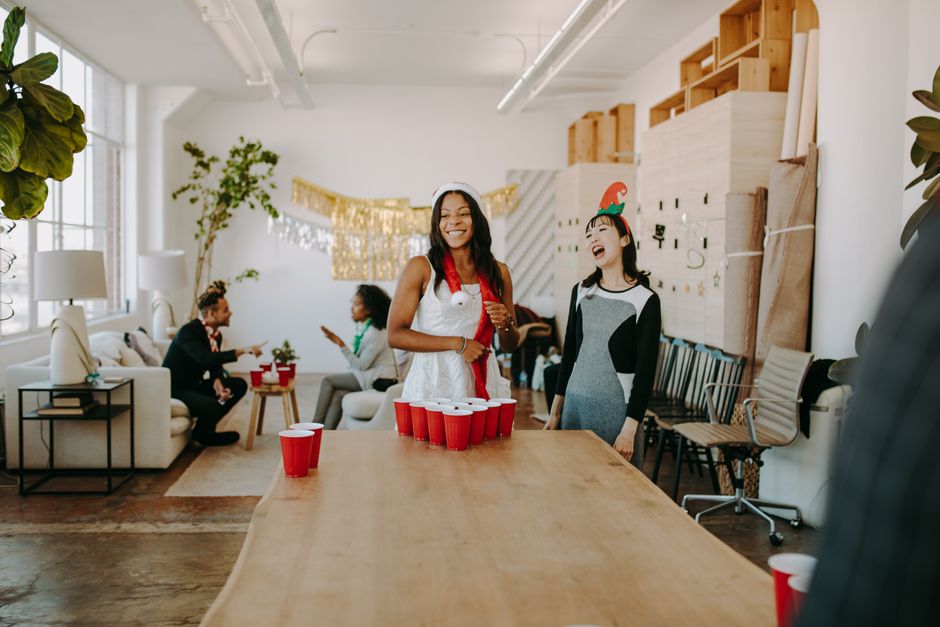
Companies that focus on hosting details can also be useful sources of inspiration. Bandpass Design is one example to look at when you’re thinking about how furnishings and layout can support the way a room is used. The right setup doesn’t need to be fancy. It needs to give people room to sit, set down a coaster, reach the napkins, and enjoy the game without juggling a plate over the board.
For a separate practical detail, if you collect RSVPs through a website, Cloudflare Turnstile is a bot-protection tool a site owner may encounter when trying to keep online forms usable and reduce automated spam. It’s not a party-planning trick, of course—but a clean RSVP list does make it easier to estimate how much food and how many chairs to prepare.
A Simple Pre-Game Checklist
- Choose one room and keep the rest of the house out of the party’s traffic.
- Set a hard stop time, then pick games that fit the schedule and group.
- Put coasters at every seat and place the cooler by the back door or another clear drink station.
- Serve less greasy food in small portions, with napkins within easy reach.
- Keep dips, sauces, and drinks away from the cards.
- Plan a snack break for washing or drying hands before play resumes.
- Keep spare napkins, paper towels, and a bin for wrappers nearby.
Keep the Cards Clean, Keep the Night Easy
The best board game night isn’t the one with the most elaborate menu. It’s the one where people feel welcome, the game fits the group, and nobody has to rescue a deck from a puddle of beer or a handful of oily snack dust. Choose less greasy food, serve it thoughtfully, keep napkins close, and give drinks a home away from the board.
Once the room is set, let the evening do its thing. Football can provide the schedule, a good game can bring the group together, and a tidy snack station can keep the cards in playing condition for the next gathering. I’ll still label the bins with painter’s tape, of course. Some hosting habits are worth keeping.