Hublot Durability Question – What Matters More Than Looks
When first encountering a Hublot watch, it is often the striking aesthetics — the bold fusion of materials, the avant-garde design — that steal the show. Yet, as someone who spent over a decade handling pre-owned luxury pieces and guiding first-time buyers, I can assure you that looks are only the opening act. For a watch to truly stand the test of time, it requires far more than a sleek dial or a flashy case. The durability question surrounding Hublot watches pivots on craftsmanship, meticulous upstream quality, and serviceability — elements that are invisible to casual buyers but vital to daily wear and long-term ownership.
In this post, I’ll navigate beyond superficial beauty to dissect what really matters in Hublot durability, drawing parallels with brands like Rolex and Omega, sharing insights from The Watch Company (TWC Japan), and even touching on unexpected tools like the MrQ mobile platform to underscore the importance of reliability over time.
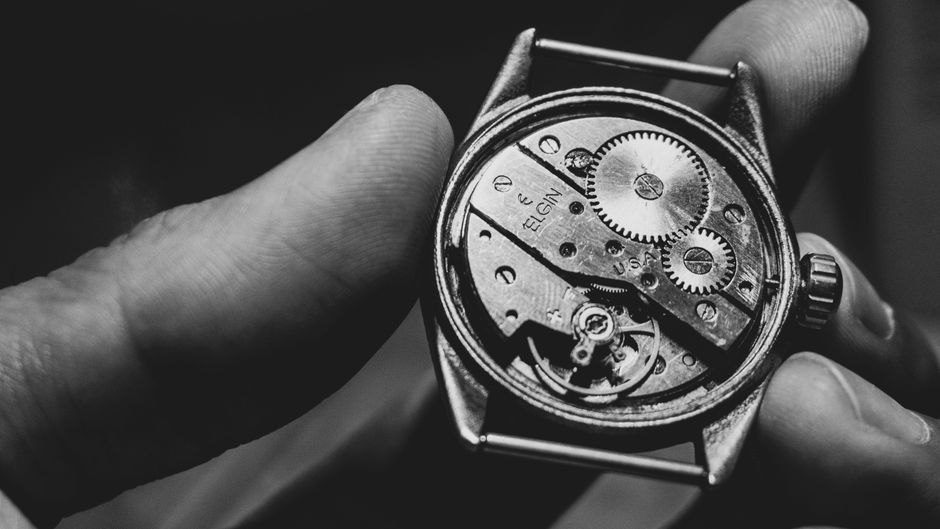
Understanding Durability: Beyond The Surface
Many watch conversations circle back to “material innovation” or “scratch-resistant coatings,” but if you ask me, these are cobblestones on a rugged path — not the foundation itself. Durability is a chain of deliberate decisions rather than a single magic feature. From the moment a watch is sketched on a designer’s tablet until it leaves the factory, a vast array of quality considerations shape its resilience and performance.
Craftsmanship Beyond Function
Take the crown feel, for example. When I was a sales floor lead at a Nakano watch shop, I learned that smooth winding and secure engagement mean more than convenience — they influence the movement’s health long-term. This tactile detail is a small but critical signal of craftsmanship. Hublot often emphasizes innovation in their cases, such as mixing ceramic and titanium. However, how these materials are fused, how tolerances are managed — these upstream choices truly influence durability.

Compared to Rolex, which deploys decades of incremental engineering refinement visible in the signature crown knurling and Oyster case compression, Hublot plays a high-wire design game where some components are more experimental. Omega sits somewhere between these two philosophies: firm in traditional construction yet open to material advances like silicon balance springs.
Upstream Quality Work: Design to Quality Control
Durability starts at design and cascades through material sourcing, machining, assembly, and quality control (QC) checkpoints. This flow matters immensely because an error here multiplies through every finished piece.
- Design phase: Engineers decide on tightness tolerances, joint angles, sealing methods.
- Material sourcing: The purity of alloys, quality of ceramic blocks, and hardness of sapphire crystals are evaluated.
- Precision machining: The consistency of cutting tools, machine calibration, and operator skill influence fit and finish.
- Assembly expertise: Watchmakers check component mating and lubrication to prevent premature wear.
- QC checks: Both visual inspection and functional tests (pressure testing, timing variation) ensure standard adherence.
The Watch Company (TWC Japan) highlights this upstream attention on the TWC Blog, dissecting how these “invisible” phases guard against premature failure — a nuance often lost in flashy marketing. For first-time buyers, understanding this chain helps differentiate a watch that just “looks expensive” from one genuinely durable in https://highstylife.com/why-do-collectors-talk-about-consistency-more-than-hype/ the long haul.
Reliability and Long-Term Value: More Than Just an Investment
Let’s be clear: I dislike hearing every watch called an “investment” without context. Real durability means consistent, reliable functioning over years without surprise breakdowns or exorbitant service visits. It’s also about holding value through sound mechanical integrity and documented service history, not speculation on price swings.
Hublot's timepieces are undoubtedly eye-catching, but buyers often face a steeper service curve. The complex integration of mixed materials creates unique challenges for watchmakers — parts may be proprietary or specialized, affecting maintenance cost and frequency. In contrast, Rolex and Omega benefit from decades of standardized parts and global service networks, which support long-term durability.
The MrQ mobile platform analogy helps here. This casino platform is famed for its robust backend, ensuring smooth gameplay even when millions access it simultaneously. Similarly, a watch's durability is contingent on its internal “infrastructure” — movement architecture and parts — designed to handle repeated daily use without hiccups.
Service Considerations Matter
Owning a luxury watch isn’t simply about the initial purchase; it’s committing to periodic servicing to maintain precision and longevity. Service frequency, cost, and availability form crucial pieces of the durability puzzle. Hublot’s newer materials mean that only specialized service centers may handle certain repairs, sometimes at premium prices.
Rolex and Omega, conversely, enjoy wide service accessibility worldwide, a direct benefit of manufacturing scale and established protocols. When selecting a Hublot, potential owners should factor in these realities — service considerations impact user experience invisibly but profoundly.
Invisible Details That Change User Experience
Durability is also experienced in subtle ways users may fail to notice until an issue arises:
- Bracelet balance and clasp security: A bracelet that weighs oddly or a clasp that loosens changes comfort and confidence instantly.
- Crown operation and water resistance: Crowns that screw down effortlessly and seals that endure keep moisture out, safeguarding movement health.
- Case finishing tolerances: Micro-gaps trap dirt and moisture; precision polishing reduces abrasion risk.
- Movement robustness: Jeweling quality, shock absorption, and anti-magnetic properties minimize mechanical stress.
These factors shape day-to-day reliability far more than headline specs. For instance, a Hublot Big Bang’s bracelet features an intriguing composite material blend that visually impresses but demands careful balance to avoid uneven wear. As I always insisted on the sales floor, if a bracelet doesn’t “sit right” on the wrist or feels unbalanced, even the best materials are wasted potential.
Summing Up: What Really Matters in Hublot Durability
Aspect Key Considerations Comparison Materials Mixed metals, ceramic, titanium fusion — impressive, but intricate fusion needs exact precision. Rolex – traditional but proven materials; Omega – hybrid innovation with proven reliability. Reliability over time Downstream impacts of initial fit, finish, and robustness of movement design. Rolex & Omega emphasize consistency; Hublot weighs innovation vs service demands. Service considerations Accessibility, cost, frequency, specialized parts requirements. Rolex & Omega: extensive networks; Hublot: more limited, higher specialization. Invisible design details Crown feel, bracelet balance, sealing integrity, movement shock-absorption. Small nuances with big impact on daily use and longevity.Ultimately, Hublot watches command attention and headline innovation. But their true durability hinges on a chain of upstream quality decisions that buyers rarely see. The Watch Company (TWC Japan) consistently advocates for deeper awareness — exploring how design, materials, and service play roles that combine to create reliable, enjoyable ownership.
For anyone weighing Hublot against stalwarts like Rolex and Omega, the takeaway is clear: never judge durability by looks alone. Investigate https://smoothdecorator.com/how-luxury-brands-keep-standards-consistent-for-years/ service realities, try the crown feel, evaluate bracelet comfort, and understand the full lifecycle of your watch. Only then will you experience true craftsmanship that goes beyond mere function.
Explore Further
- Check out the TWC Blog for detailed breakdowns of servicing and material innovations.
- Learn about user-centric reliability lessons from MrQ mobile platform, where backend robustness parallels watch movement engineering.
- Compare bracelet feel and crown operation directly at authorized dealers or trusted pre-owned sellers — these tactile checks are crucial before commitment.