How Do I Sell a Discontinued Rolex When Retail Pricing is Irrelevant?
For many collectors and investors, a discontinued Rolex represents not just a timepiece but a potential treasure trove of value—one that often defies traditional retail pricing rules. The primary challenge? The retail price provided by Rolex has little to no bearing on what a savvy buyer is willing to pay secondhand, especially when dealing with such an elusive asset class. Selling a discontinued Rolex requires a nuanced understanding of market dynamics, the difference between insurance appraisals versus actual market value, and the critical role played by live secondary-market data.
Understanding the Rolex Discontinuation Effect
When Rolex discontinues a reference or model, that watch instantly becomes scarcer, often igniting collector interest and sometimes igniting bidding wars. These discontinued references develop a distinct value profile driven by collector premiums, scarcity, and demand fluctuations that retail prices simply can't capture.

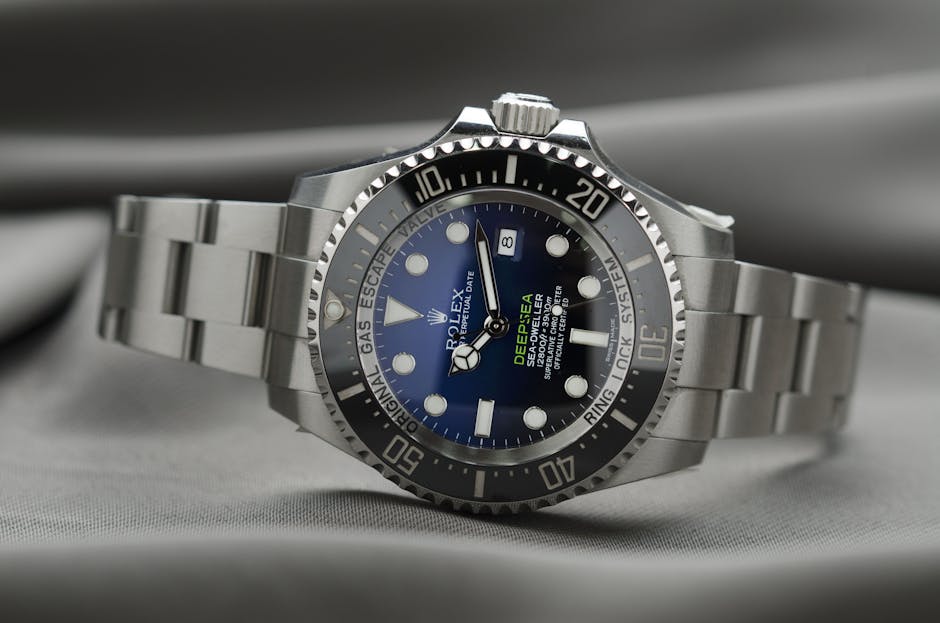
This phenomenon creates unique challenges for sellers. Many owners believe that the Manufacturer Suggested Retail Price (MSRP)—if still findable—is the best starting point to price their watch. But in reality, the retail price becomes irrelevant the moment a reference hits discontinuation status, partly because the secondary-market trades in a complex ecosystem influenced by condition, configuration, and saturation.
Royal Pricing ≠ Market Pricing: Why Your Insurance Appraisal Isn’t Enough
Insurance appraisals are often tethered to replacement costs or MSRP-equivalent figures, but these can wildly overestimate or underestimate the watch’s actual market resale price. This mismatch is a common reason owners feel frustrated selling discontinued models:
- Insurance Appraisal: Designed to protect against theft or loss, generally based on retail MSRP or replacement cost.
- Market Pricing: Driven by live demand, condition nuances, completeness, and buyer competition.
Expect a notable delta between these two figures. For example, a reference with a $12,000 retail price discontinued two years ago might command $20,000 or more today if collector premiums and secondary-market saturation align in its favor.
Collecting as Portfolio-Style Stewardship
Rolex watches, especially discontinued references, have become more than just luxury timepieces—they are effectively portfolio assets in the stewardship of their owners. Savvy collectors view their purchases with a portfolio mindset:
- Risk & Return: Balancing enjoyment of the watch with potential appreciation.
- Liquidity Management: Knowing when and how to exit positions based on market triggers.
- Diversification: Mixing models and references to hedge against fluctuations in collector preferences.
This perspective encourages sellers sell rolex for cash to move beyond simple "worth around" valuations and embrace detailed, data-driven pricing strategies that reflect how true market value is generated.
Leveraging Live Secondary-Market Data & Comparable Sales for Pricing Your Discontinued Rolex
Today’s best resource for pricing a discontinued Rolex is live secondary-market data combined with deeply analyzed comparable sales (comps). Platforms like RESIDENT™ and expert buy-side desks such as Diamond Banc provide invaluable insights into what specialist buyers are actually paying.
Why Live Data and Comps Matter
Secondary-market platforms offer transactional transparency—something historically missing from luxury watch sales. Key benefits include:
- Real-Time Demand Signals: Seeing which references are trending up or down.
- Comparable Sales: Identifying recently sold watches matching your watch’s exact reference, condition, and configuration.
- Market Saturation Awareness: Understanding how many units of your discontinued model are currently available, affecting bargaining power.
For example, RESIDENT™ tracks hundreds of thousands of watch listings and sales, allowing sellers to generate a market-validated pricing range specific to their watch’s exact variant. Meanwhile, Diamond Banc’s extensive secondary-market buying desk network supports private consignments where buyers specialize in accurately valuing and remunerating discontinued references.
Condition, Configuration, and Saturation: The Value Drivers
In selling your discontinued Rolex, three watch-specific Home page factors play outsized roles in determining your final price:
- Condition: Unworn, mint-condition watches fetch significant premiums over worn pieces. Even minor blemishes or service history can swing offers substantially.
- Configuration: Is your watch a full set with box, papers, and original accessories? Does it have rare dial variations or limited-edition engravings? These nuances are vital for specialist buyers seeking full provenance and rarity.
- Saturation: The overall availability of your reference on the secondary market—low saturation can lead to a seller’s market, while oversaturation can depress prices.
Combining these factors with real market data enables you to avoid commonly made mistakes like overpricing due to sentimental MSRP attachment or underpricing by ignoring current collector premiums.
Finding the Right Specialist Buyer
General marketplaces or pawnshops rarely maximize returns on discontinued Rolex sales because they lack the expertise or buyer network to validate collector premiums accurately. The alternatives are select specialists and consortiums like Diamond Banc, which excel at:
- Connecting sellers with dedicated collector communities.
- Utilizing authentication workflows to confidently represent condition and provenance.
- Offering faster liquidity while preserving market-appropriate pricing.
Specialist buyers pay particular attention to discontinued reference comps and current market trends, ensuring that sellers don’t rely on outdated retail assumptions. RESIDENT™ also empowers sellers by aggregating competitive offer data, enabling negotiation strength from an informed position.
How to Start: Key Steps for Selling Your Discontinued Rolex
- Confirm Full Set Status: Gather original box, papers, receipts, and any workshop/service history. Document your watch’s condition thoroughly with timestamped photography.
- Research Live Secondary-Market Prices: Use platforms like RESIDENT™ to monitor comparable sales, paying close attention to exact reference matches, dial variants, and condition grades.
- Consult Specialist Buyers: Consider consignment platforms such as Diamond Banc for tailored offers. Discuss with multiple buyers but beware of valuation inflated by replacement costs rather than market comps.
- Review Market Saturation: If your reference is widely available, timing the sale to counter market dips is essential. Conversely, in scarcity, act promptly to capitalize on collector premiums.
- Understand the Insurance-Appraisal vs Market-Price Gap: Let your pricing strategy be driven by live market data, not insured value appraisals or MSRP figures.
Summary Table: The Discontinued Rolex Pricing Landscape
Factor Insurance/Appraisal Value Market Pricing (Secondary Market) Impact on Selling Strategy Retail MSRP Reference Baseline replacement cost Often irrelevant for discontinued pieces Ignore except for insurance purposes Discontinued Reference Comps Not factored in insurance value Crucial for pricing unlocked by scarcity and demand Primary driver for accurate pricing Condition & Configuration Rarely fully accounted for Drastically affects bid prices Must be verified & documented Market Saturation Irrelevant Affects supply-demand equilibrium Timing and platform selection matter Specialist Buyers (e.g. Diamond Banc) Not involved Offer targeted, expert valuations and quicker liquidity Highly recommended for best valueFinal Thoughts: Treat Your Discontinued Rolex Sale Like a Portfolio Exit
In the ever-evolving landscape of luxury timepieces, a discontinued Rolex represents a compelling investment that requires portfolio-style stewardship to maximize its realized value. Forget using retail pricing as your compass. Instead, harness live secondary-market insights, understand the divergence from insurance appraisals, and partner with specialist buyers who comprehend the nuance of discontinued reference comps and collector premiums.
Whether consigning through Diamond Banc, leveraging data-driven pricing with RESIDENT™, or educating yourself on saturation and condition impacts, your approach should always be meticulous, data-informed, and tailored. Only then can you unlock the true market value of your priceless Rolex—far beyond what retail pricing models would suggest.