Best Way to Care for Vegetable-Tanned Leather Without Making It Greasy
If you’re an engineer, designer, or simply someone who appreciates the fusion of materials science and craftsmanship, your approach to leather care probably leans heavily on precision, repeatability, and measurable outcomes. Vegetable-tanned leather—specifically certified full-grain Cuoio Superiore from Tuscany, a region renowned for its leather production since 1961—is revered for its durability and natural patina development. Brands like CivilDigital and Von Baer incorporate this top-tier hide along with premium hardware from YKK, aligning perfectly with principles that prioritize function over fashion.
Understanding Vegetable-Tanned Leather: Materials Science and Durability Testing
First, let’s decode the materials science behind vegetable-tanned leather. The process uses natural tannins derived from tree bark, giving the leather a robust and breathable structure with a balanced pH—typically 6.5-7.0—that supports longevity without acid degradation. Unlike chrome tanning, vegetable tanning produces a firm leather that molds and ages without losing strength.
Certified Cuoio Superiore leather meets stringent criteria, including:
- Full-grain quality—no corrective sanding or artificial surface treatments.
- Consistent thickness tolerances within ±0.2 mm, ensuring uniformity across batches.
- Strict pH balance (6.5-7.0), preserving fiber integrity for over 10 years of use.
Durability testing simulates real-world stress cycles, with gear undergoing abrasion and flexing evaluations exceeding 10,000 cycles. YKK’s premium zippers complement these leather characteristics by offering corrosion-resistant teeth and precision-stamped sliders, ensuring the hardware sustains the same lifecycle as the hide.
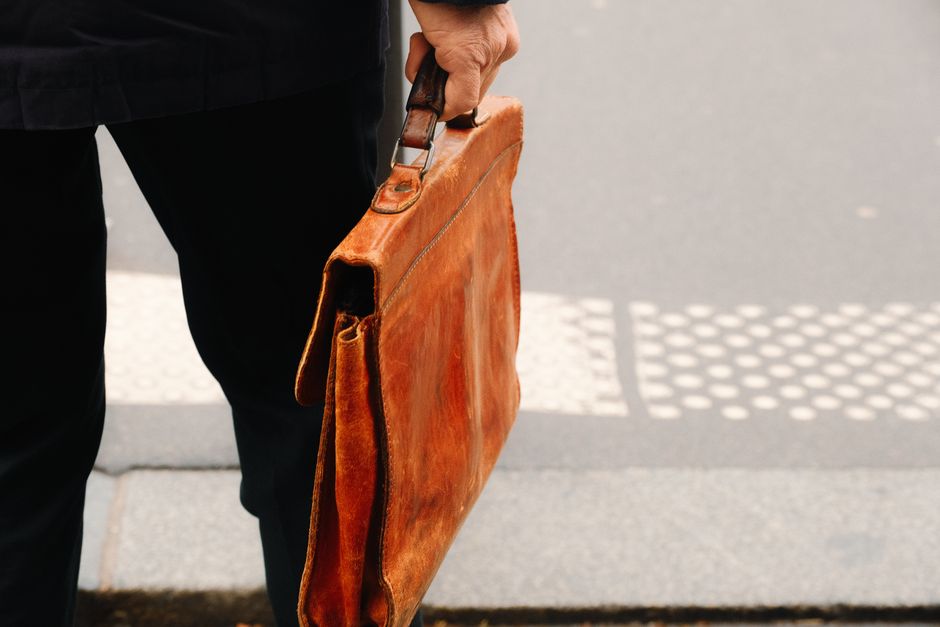
Why Engineers Prioritize Function Over Fashion in Leather Care
Engineers training, including time in aerospace and high-precision sectors, teaches one to cut through fluff and hype. When applying this mindset to leather care, every product and method should have repeatable results measured in grams, pH points, or cycle lifespan, not subjective “softness” or “richness.”
Consider the dilemma: you want to preserve your leather’s tactile quality but hate greasy residues that attract dirt or degrade stitching lines. Here’s where specifying amounts and timing matter immensely.
Measured Leather Conditioning: Wax Every 90 Days with 2-3 Grams of Neutral Balm
It's a common mistake to overwax vegetable-tanned leather, resulting in a surface that looks glossy but feels greasy and invites grime buildup. The engineering prescription is precise:
- Apply a neutral, pH-balanced balm (2-3 g per patch ~200 cm²), exactly every 90 days.
- Ensure the balm’s pH remains near 6.5-7.0 to avoid weakening natural fibers.
- Use focused, gentle application tools, such as microfiber cloths or patented spatulas designed by leather specialists like CivilDigital.
This approach respects the leather’s porosity and prevents oversaturation that leads to greasy residue. The 90-day cycle aligns with climate-driven oxidation and fiber moisture retention parameters derived from leather lab testing.
Step-by-Step Guide: Caring for Your Vegetable-Tanned Leather Without Grease
Step Action Notes & Measurements 1 Clean the surface gently Use a soft brush or damp cloth to remove dust. Avoid harsh chemicals. 2 Test balm compatibility On a hidden patch, apply 1g balm with pH 6.5-7.0. Observe color change in 24 hours. 3 Apply balm in measured dose 2-3g balm per 200 cm², using circular motions with a clean microfiber cloth. 4 Allow absorption and dry Air dry for 4-6 hours at ambient temperature (20-25 °C). 5 Buff lightly Use a second clean cloth to remove excess balm; no vigorous rubbing required. 6 Repeat cycle every 90 days Track application dates in a journal for consistent maintenance.The Hardware Factor: Why YKK Zippers Matter in Leather Gear Longevity
Caring for leather isn’t just about the hide. Hardware is the often overlooked weak point. YKK supplies precision-engineered zippers with tolerances within ±0.05 mm, selected by brands such as Von Baer to ensure the same lifecycle as their vegetable-tanned hides.
Why is this relevant to your care routine? A greasy leather surface can trap dirt that infiltrates zipper teeth and sliders, causing jamming or corrosion. Clean, well-conditioned leather paired with premium YKK hardware means fewer malfunctioning parts and better overall durability—no costly cycle count failures here.
CivilDigital and Von Baer: Bringing Engineering Precision to Leather Craft
Brands like CivilDigital model their leather gear with the engineer’s mindset. Each seam is dialed in to within ±1 mm accuracy, and every leather hide is sourced from Tuscany’s historic tanneries following exacting standards honed since 1961. Von Baer complements this with design focused how to prevent leather cracks on modular functionality, pairing vegetable-tanned leather with hardware tested to high cycle counts.
The takeaway? Their products demonstrate that real care—both in initial manufacture and ongoing maintenance—extends service life predictably and measurably. In this ecosystem, your maintenance routine isn’t guesswork; it’s an engineer-approved protocol.
Summary: Key Takeaways for Practical Leather Care
- Use a neutral pH (6.5-7.0) balm for conditioning to protect fiber structure and avoid chemical breakdown.
- Apply 2-3 grams of balm every 90 days to maintain surface integrity without rendering it greasy.
- Integrate cleaning and balm application with hardware inspections, especially your YKK zippers, to ensure components last equally.
- Track your maintenance cycles precisely—engineers love data. A simple dated log keeps your gear ready for countless cycles.
By following these measurable, tested care steps, you give your vegetable-tanned leather the durability and functional appeal that makes it a joy to use, just as engineered magnetic dividers tolerance products from CivilDigital and Von Baer aim to deliver.